The History of Pantyhose: From Fashion Revolution to Modern-Day Icon
For decades, pantyhose were one of the most recognizable items in women’s fashion. They appeared in offices, schools, formal events, advertisements, television shows, and nearly every department store. During their peak popularity, millions of pairs were sold every week, making pantyhose one of the most successful clothing innovations of the twentieth century.
Today, pantyhose are no longer considered an everyday wardrobe essential, leading many people to wonder what happened. Why were they once so popular? Why did nearly every woman seem to own multiple pairs? And why have they become less common over the past two decades?
The story of pantyhose is much more than the history of a garment. It reflects changing fashion trends, advances in textile technology, shifting workplace expectations, evolving beauty standards, and even changing attitudes toward comfort and self-expression. Along the way, pantyhose also developed a devoted following among fashion enthusiasts, collectors, and some individuals who simply appreciate their unique appearance and texture.
This article explores the complete history of pantyhose—from their earliest beginnings to their rise, decline, and enduring influence on fashion today.
Before Pantyhose: The Era of Stockings
The story actually begins long before pantyhose existed.
For centuries, stockings were a common part of everyday clothing. As early as the Middle Ages, both men and women wore leg coverings made from wool, linen, or silk. These early stockings provided warmth, protected the skin from rough footwear, and gradually became symbols of social status.
By the eighteenth and nineteenth centuries, finely woven silk stockings had become luxury fashion items among the wealthy. Hand knitting required considerable skill and time, making quality stockings expensive and highly desirable.
During the Victorian era, modest clothing covered nearly the entire body. Although stockings were rarely seen in public, they remained an essential part of a woman’s wardrobe. As textile manufacturing improved during the Industrial Revolution, machine-knitted stockings became more widely available, allowing people from many economic backgrounds to enjoy clothing that had previously been considered a luxury.
The Invention of Nylon Changed Everything
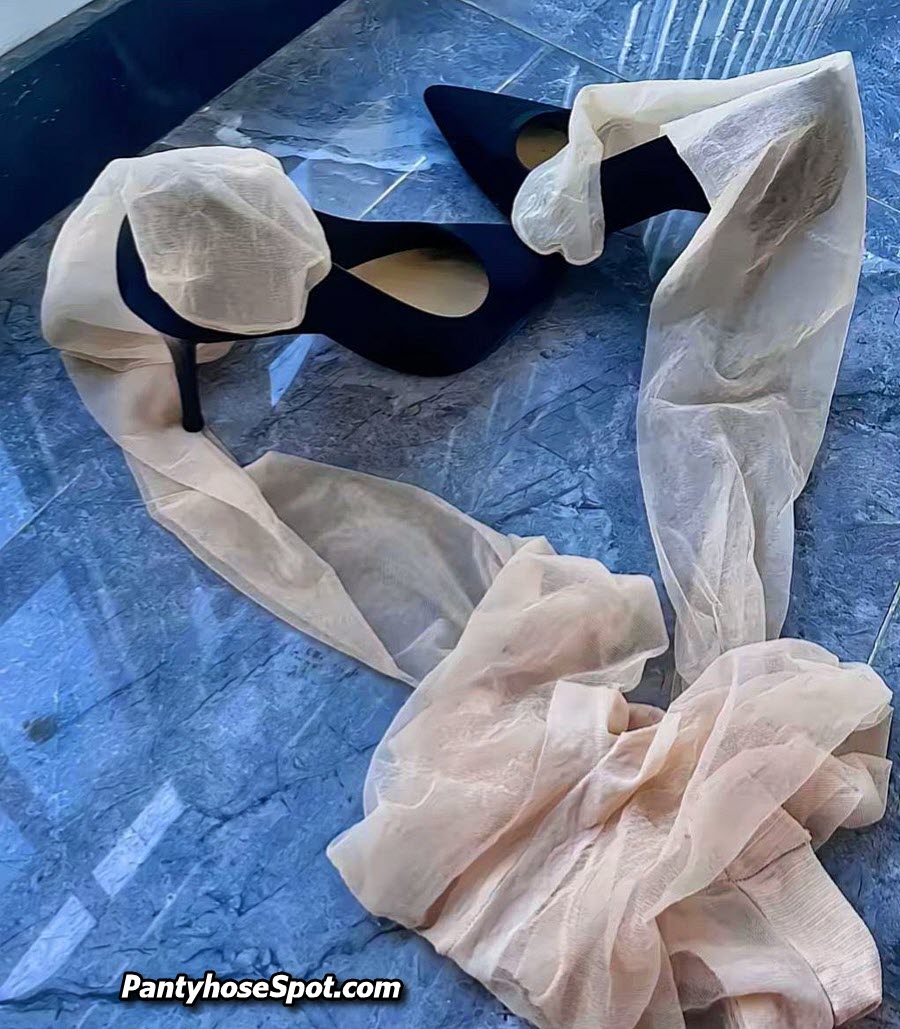
One of the biggest turning points in fashion history occurred in 1938 when the American chemical company DuPont introduced nylon, the world’s first commercially successful fully synthetic fiber.
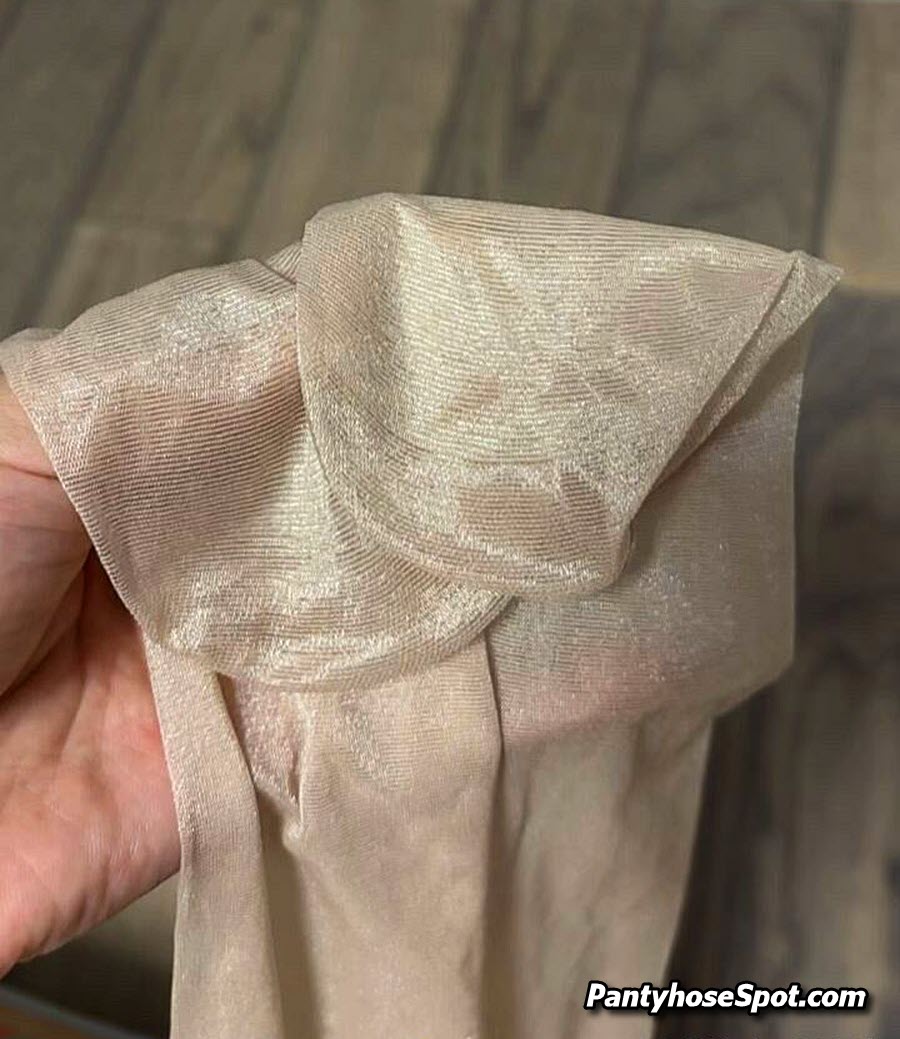
Before nylon, silk stockings dominated the market. Silk looked beautiful but was expensive, delicate, and depended largely on imported supplies. Nylon offered something revolutionary. It was lightweight, durable, stretchy, affordable, and had a smooth appearance that closely resembled silk.
When nylon stockings officially went on sale in the United States in 1940, the public response was extraordinary. Department stores reported selling tens of thousands of pairs within hours. Long lines formed outside stores whenever new shipments arrived, and nylon stockings quickly became one of the most talked-about fashion products of the era.
Women appreciated their durability, affordability, and polished appearance. Manufacturers promoted nylon as modern, practical, and elegant—a combination that perfectly matched the optimism of the period.
World War II and the Nylon Shortage
The popularity of nylon stockings was interrupted by World War II.
Once the United States entered the war, nylon production shifted almost entirely toward military needs. The same fiber used for stockings proved invaluable for parachutes, ropes, tents, tire cords, and other military equipment.
Civilian stockings became extremely difficult to find.
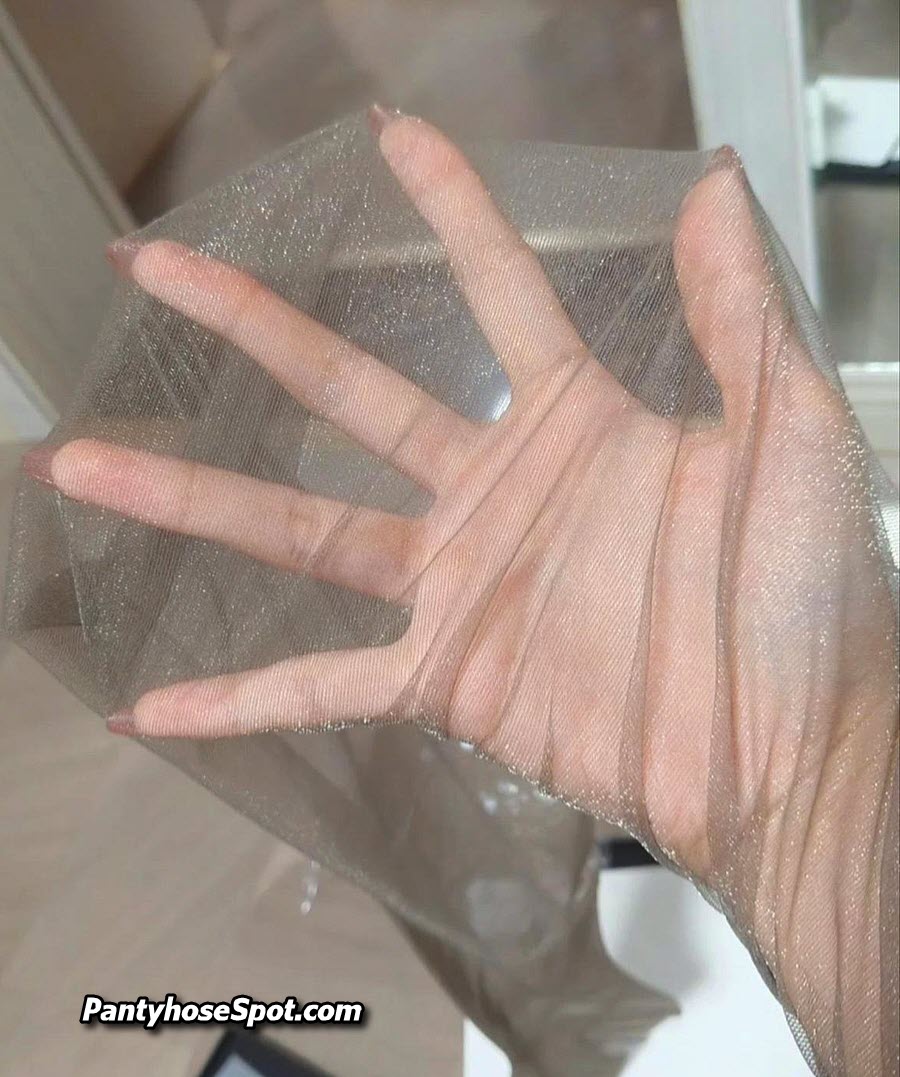
Women often repaired damaged stockings repeatedly because replacements were nearly impossible to purchase. Some even drew a dark line down the back of their legs using makeup to imitate the seam found on traditional stockings, creating the illusion that they were still wearing hosiery.
This unusual period made nylon stockings even more desirable. Scarcity increased their cultural value, and when wartime restrictions ended, demand exploded once again.
The 1950s: Elegance and Everyday Fashion
Following the war, stockings quickly returned to department stores.
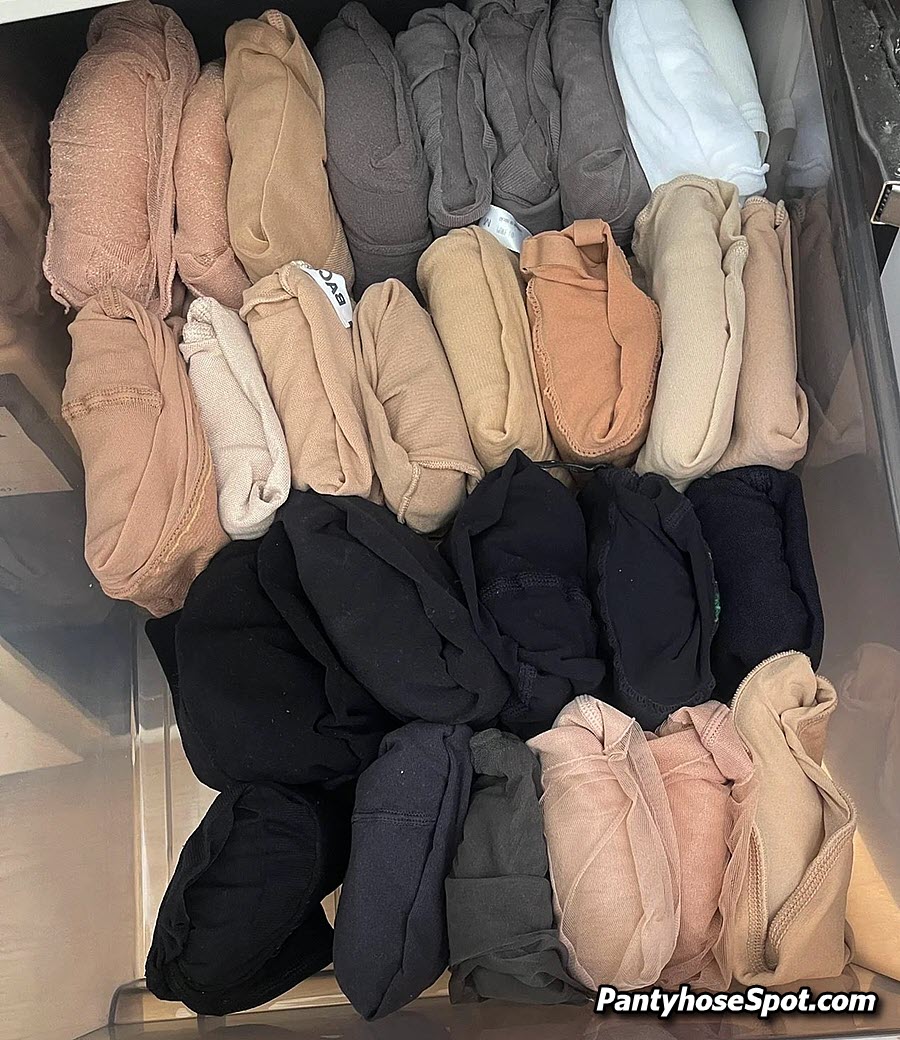
Throughout the 1950s, they became part of everyday fashion. Dresses and skirts dominated women’s wardrobes, and stockings completed the polished appearance expected in schools, workplaces, churches, and social events.
At this time, stockings were usually held in place with garter belts or girdles. While this system worked well, it required several separate garments and was sometimes inconvenient.
Fashion was beginning to change, however, and designers were looking for simpler solutions.
The 1960s: The Birth of Modern Pantyhose
The 1960s completely transformed women’s fashion.
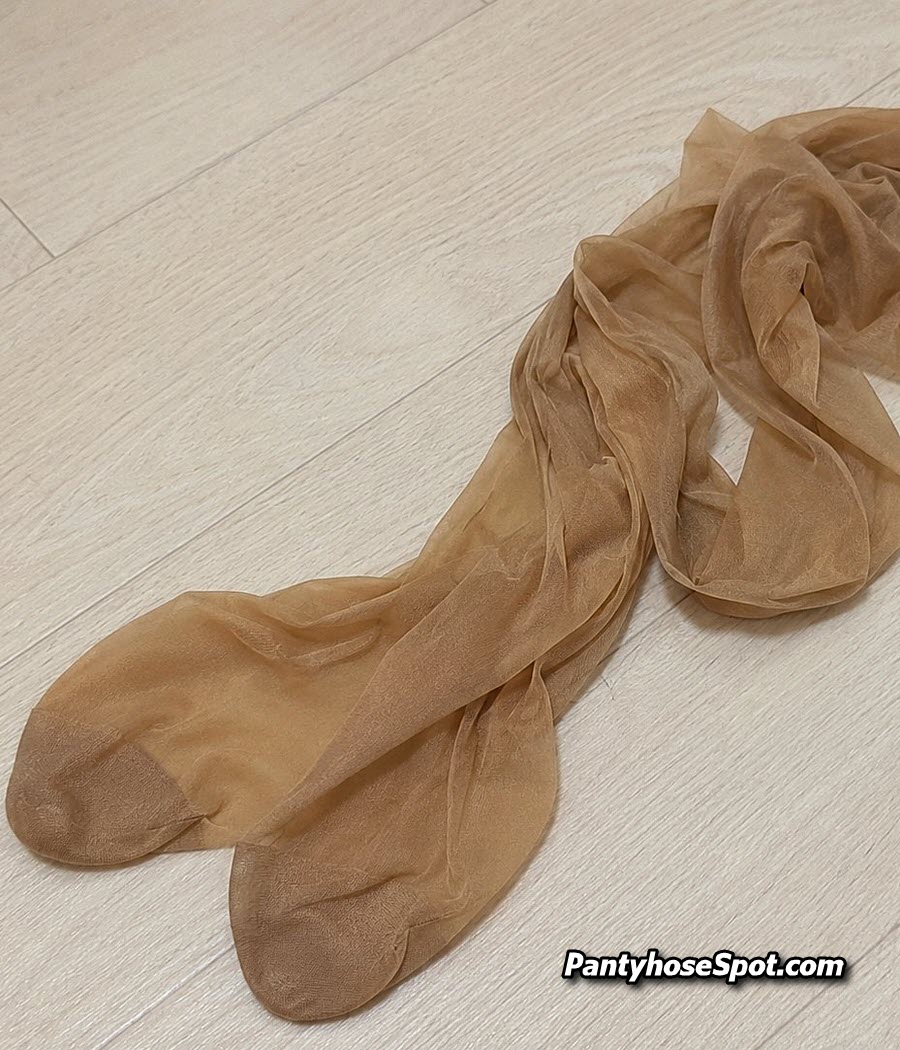
As shorter skirts and the revolutionary miniskirt became increasingly popular, traditional stockings and garter belts presented practical challenges. Visible garter straps no longer worked with rising hemlines.
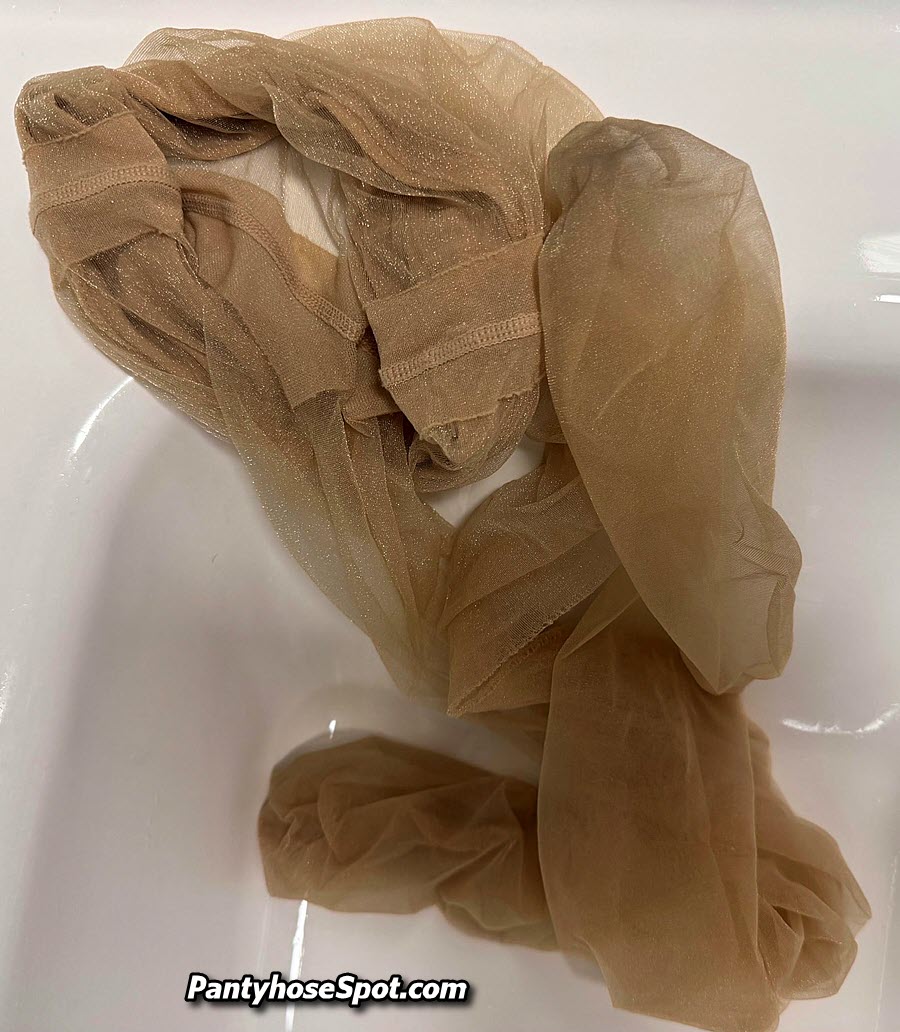
Manufacturers responded by combining stockings with built-in briefs, creating what became known as pantyhose.
This innovation proved incredibly successful.
Women no longer needed garter belts, and the all-in-one design offered convenience while maintaining the smooth appearance stockings were known for. At nearly the same time, advances in knitting technology made pantyhose thinner, stronger, and more comfortable than earlier products.
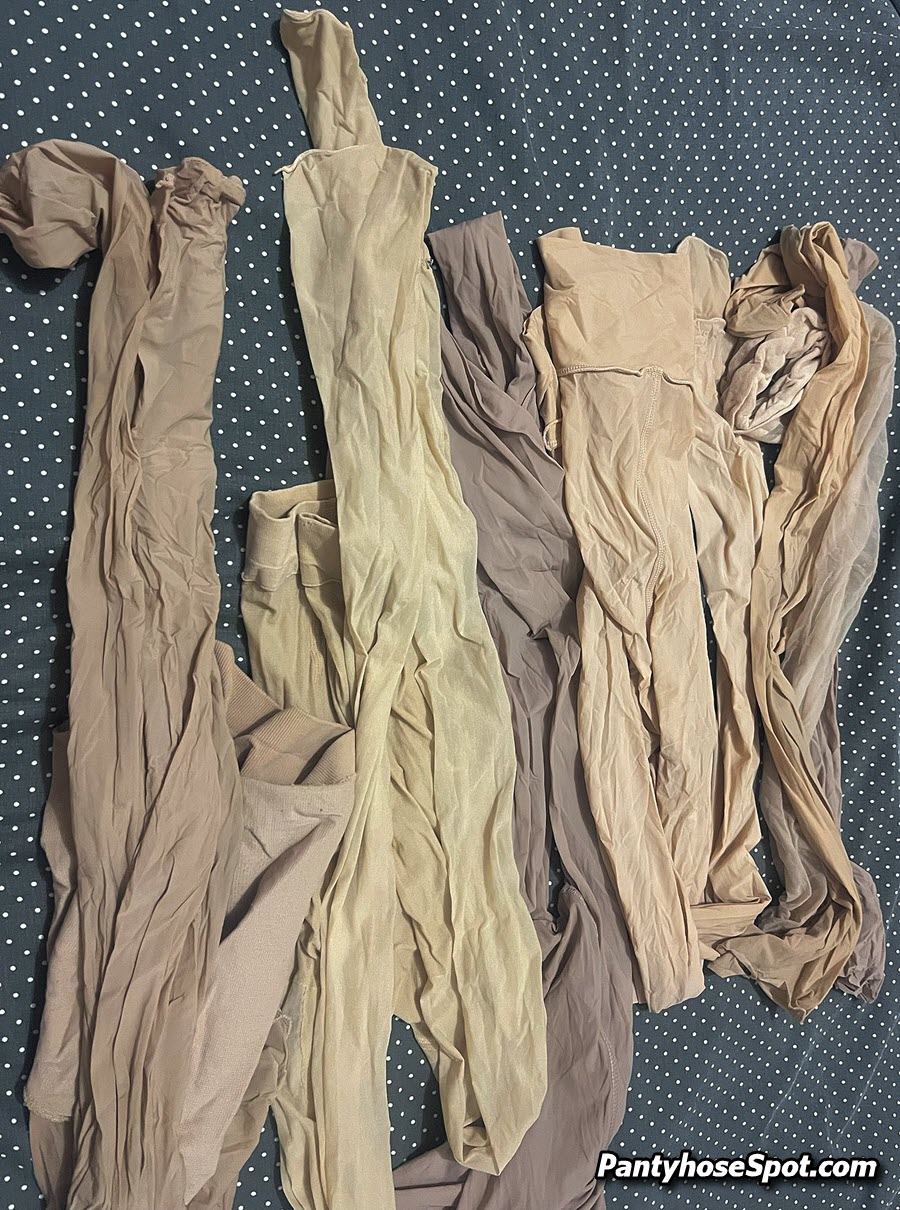
The introduction of pantyhose coincided perfectly with rapidly changing fashion trends, making them one of the defining garments of the decade.
The 1970s: Mainstream Success
During the 1970s, pantyhose became part of everyday life for millions of women.
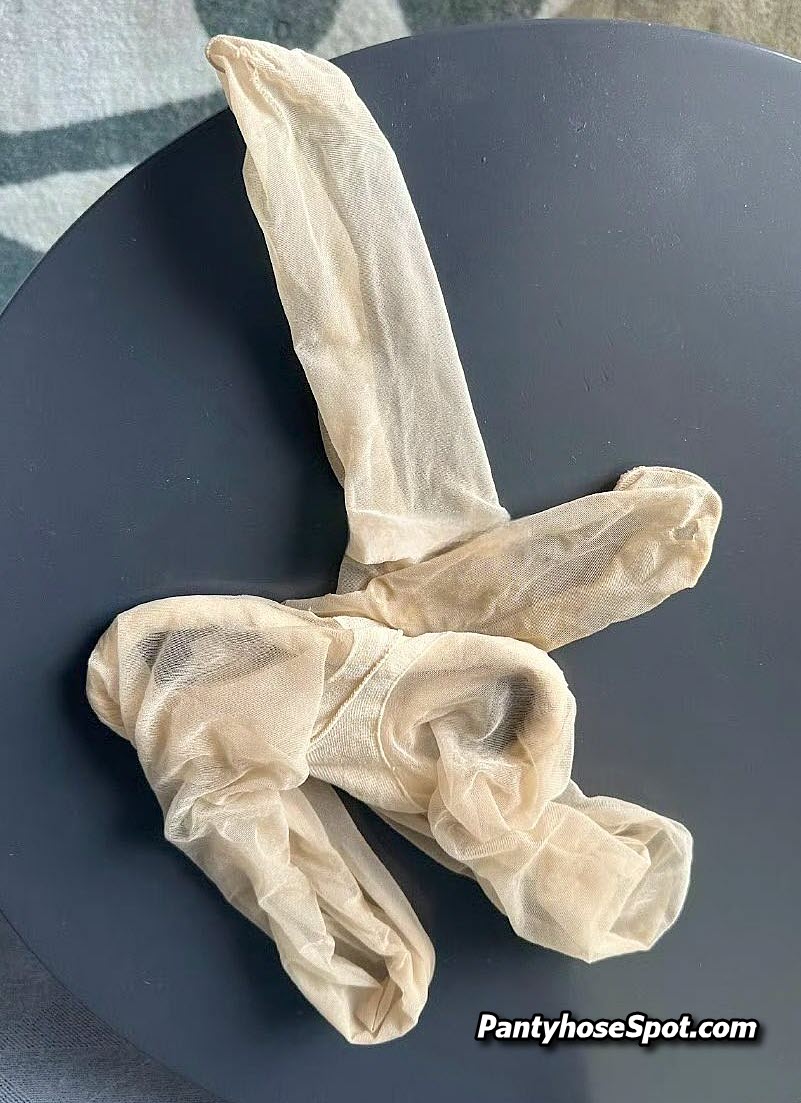
Nearly every major clothing retailer carried multiple brands, colors, and styles. Manufacturers introduced different levels of sheerness, support, durability, and finish to suit different occasions.
Advertisements emphasized confidence, fashion, professionalism, and sophistication. Television personalities, actresses, and fashion models frequently appeared wearing pantyhose, reinforcing their status as a wardrobe essential.
The workplace also contributed to their popularity. Many offices expected professional business attire, and pantyhose became a standard component of corporate dress codes in numerous industries.
The 1980s: The Peak of Popularity
For many fashion historians, the 1980s represented the golden age of pantyhose.
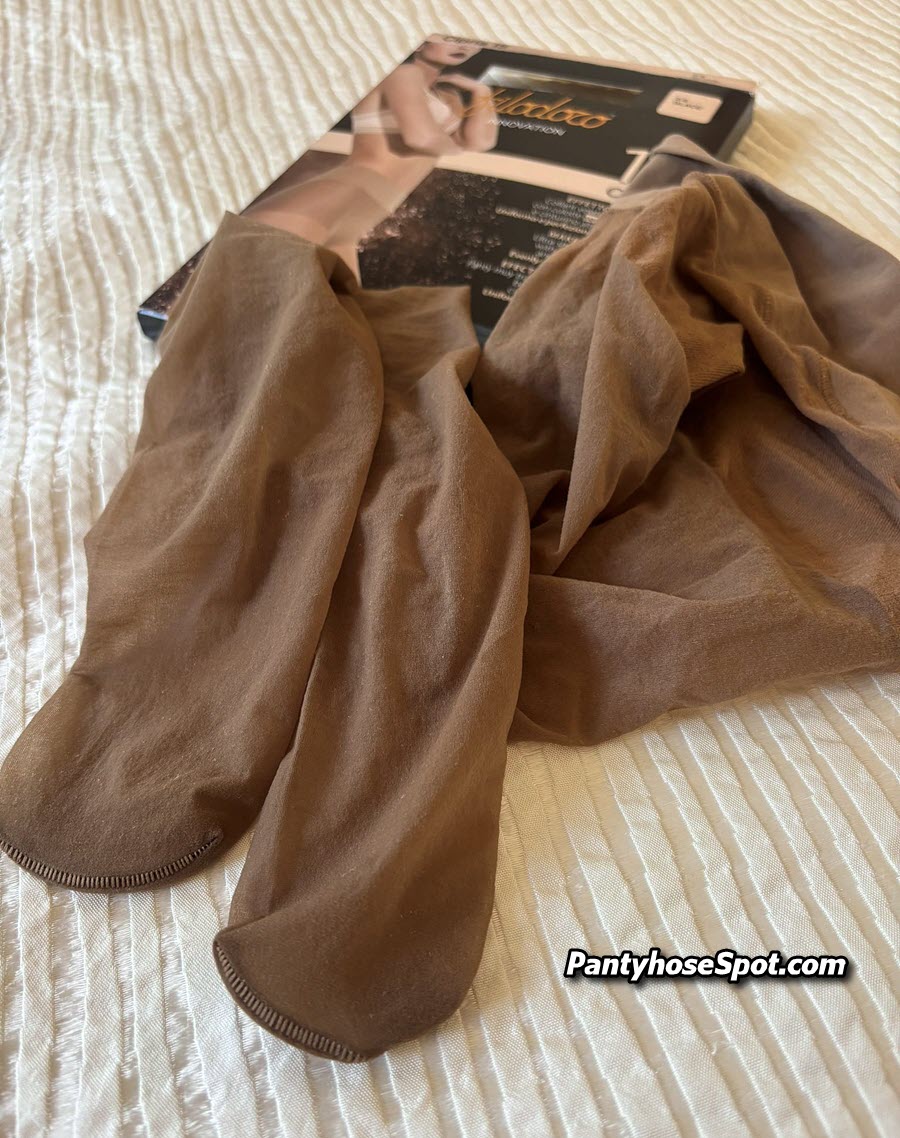
Women’s participation in professional careers continued growing, and business fashion reflected the era’s emphasis on polished appearance. Power suits, tailored skirts, and formal office attire frequently included pantyhose as part of a complete professional look.
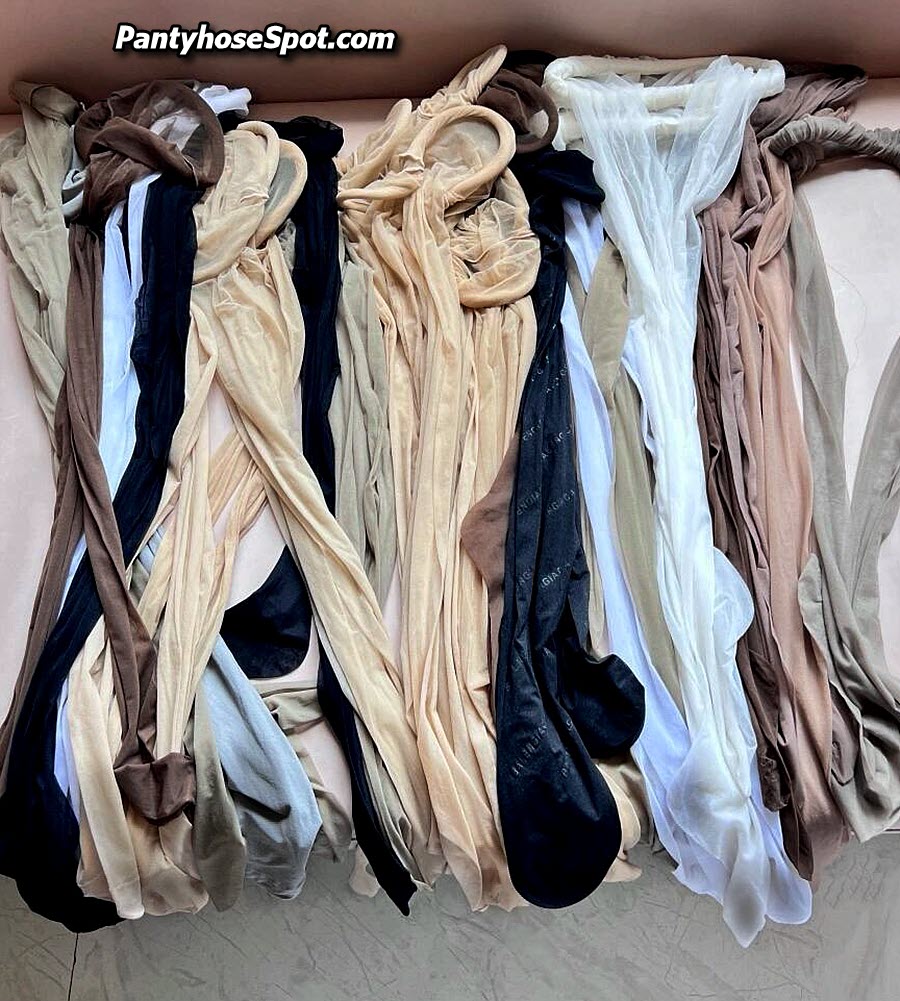
Manufacturers invested heavily in research and development. New fibers improved elasticity, comfort, durability, and fit. Control-top designs, reinforced toes, support hosiery, and ultra-sheer styles expanded consumer choices.
Department stores devoted entire sections to hosiery, and consumers often owned numerous pairs in different colors and finishes for different outfits.
During this decade, pantyhose were not simply fashionable—they were often considered expected.
The 1990s: Fashion Begins to Change
Although pantyhose remained popular throughout much of the 1990s, subtle changes had already begun.
Business-casual dress codes became increasingly common, reducing the expectation that women wear formal hosiery every day. Fashion also shifted toward comfort and individuality rather than rigid professional standards.
Bare legs became more socially acceptable in many workplaces and formal settings.
At the same time, improvements in skincare products, self-tanning products, and cosmetics gave consumers additional ways to achieve the smooth appearance that pantyhose had traditionally provided.
Sales remained strong, but the first signs of long-term decline had begun.
The 2000s Through Today: Why Pantyhose Became Less Common
The decline of pantyhose did not happen overnight.
Instead, several trends gradually changed consumer habits.
Fashion increasingly emphasized comfort. Casual clothing became acceptable in more workplaces, while younger generations placed greater importance on personal expression than traditional dress codes.
Corporate environments also evolved. Many companies relaxed formal appearance requirements, allowing employees greater flexibility in choosing their clothing.
Advances in textile technology introduced alternatives such as leggings, opaque tights, compression garments, and athletic fabrics that better matched modern lifestyles.
Social attitudes toward beauty also changed. Many women began embracing natural appearance rather than feeling obligated to achieve a highly polished, uniform look every day.
Although pantyhose sales declined significantly from their peak, they never disappeared.
Where Pantyhose Are Still Popular Today
Despite their reduced everyday use, pantyhose continue to serve important roles.
Many professionals still wear them in corporate offices, legal professions, hospitality, aviation, healthcare, and customer-facing industries where formal dress remains common.
They also remain popular for weddings, concerts, theater performances, dance, beauty pageants, religious services, and other formal occasions.
Support and compression hosiery continues to be widely recommended for people who spend long hours standing or sitting, as well as for certain medical and travel situations.
Fashion trends are also cyclical. Designers periodically reintroduce sheer hosiery on runways, and younger generations sometimes rediscover classic styles through vintage fashion.
Why Some Men Appreciate Pantyhose
Throughout the history of pantyhose, many men have expressed an appreciation for the garment, although the reasons vary considerably from person to person.
For some, the appeal is entirely aesthetic. Pantyhose can create a smooth, uniform appearance that subtly changes how light reflects from the legs. Fashion photographers and designers have long used this effect because it creates a polished visual presentation.
Others appreciate the craftsmanship involved in hosiery. Different denier levels, weaving techniques, colors, finishes, and patterns demonstrate the remarkable engineering behind what appears to be a very simple garment.
Some men are interested in fashion history or vintage clothing and admire pantyhose as an iconic design that influenced several decades of style.
There are also individuals who develop a clothing-related attraction to pantyhose. Psychologists generally believe that these attractions, like many other clothing preferences, arise from a combination of personal experiences, sensory appreciation, memory, and associative learning. For most people who experience this type of attraction, it exists alongside otherwise typical romantic relationships and is considered part of the normal diversity of human preferences.
Pantyhose in Popular Culture
Few fashion items have appeared in popular culture as consistently as pantyhose.
They have been featured in classic films, television shows, advertising campaigns, fashion magazines, music videos, and runway collections for more than sixty years. They became closely associated with professionalism, elegance, confidence, and formal style throughout much of the twentieth century.
Even as everyday fashion has become more casual, pantyhose remain instantly recognizable. Vintage fashion enthusiasts continue collecting classic hosiery advertisements and packaging, while modern designers periodically reinterpret traditional styles for contemporary audiences.
Their enduring presence in fashion history reflects more than changing clothing trends—it highlights how a single garment can become part of the cultural identity of an entire generation.
Final Thoughts
The story of pantyhose mirrors the story of modern fashion itself. What began as an innovative solution to changing clothing styles grew into a global fashion phenomenon that shaped wardrobes for more than four decades.
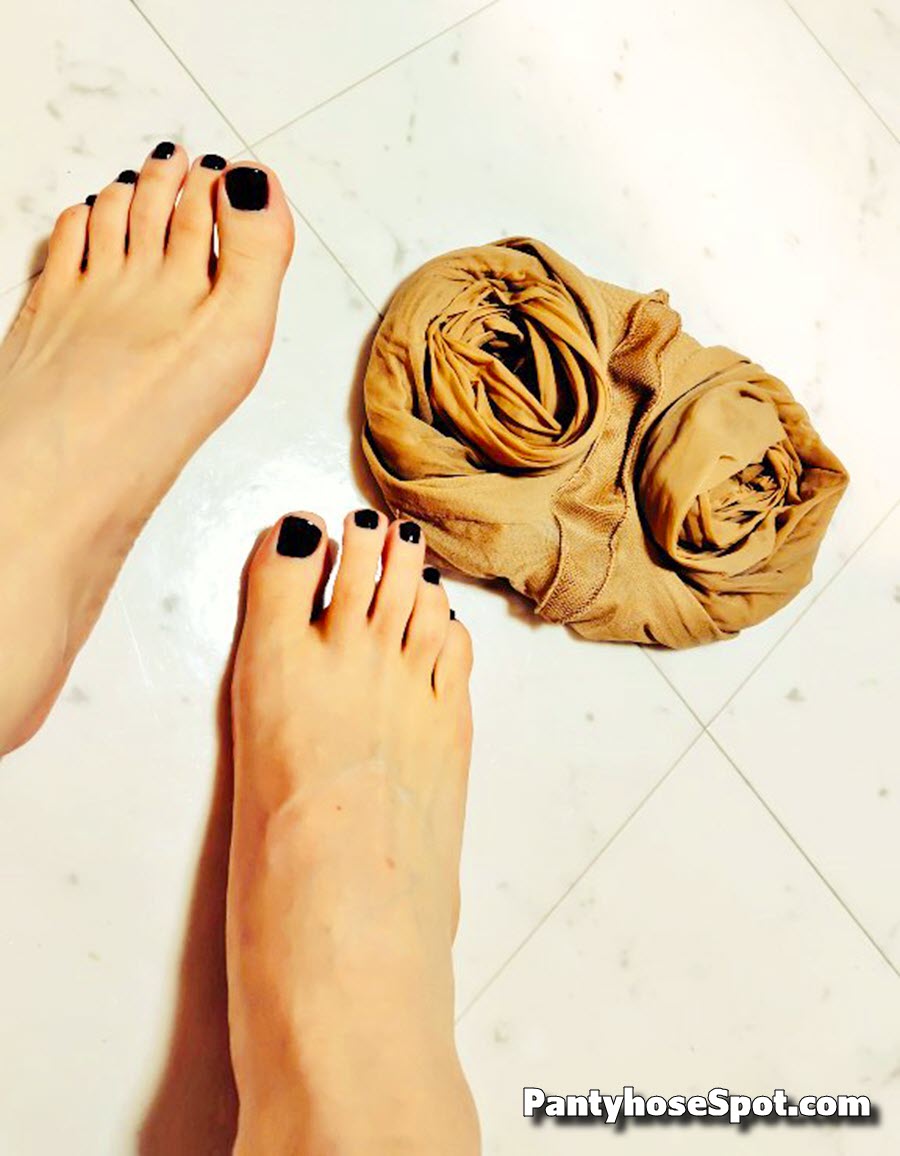
Their rise was driven by advances in textile technology, changing social expectations, and a desire for elegance and convenience. Their decline reflected equally significant changes in workplace culture, comfort, beauty standards, and personal expression.
Although pantyhose are no longer the everyday essential they once were, they remain an important part of fashion history. Whether appreciated for their practical benefits, their role in professional attire, their craftsmanship, or their influence on twentieth-century style, pantyhose continue to occupy a unique place in the evolution of clothing.
Fashion trends will continue to evolve, but few garments have left a legacy quite as lasting as pantyhose. From the department store shelves of the 1960s to today’s specialty boutiques and online retailers, they remain a fascinating example of how technology, culture, and design can come together to create an icon that defines an era.