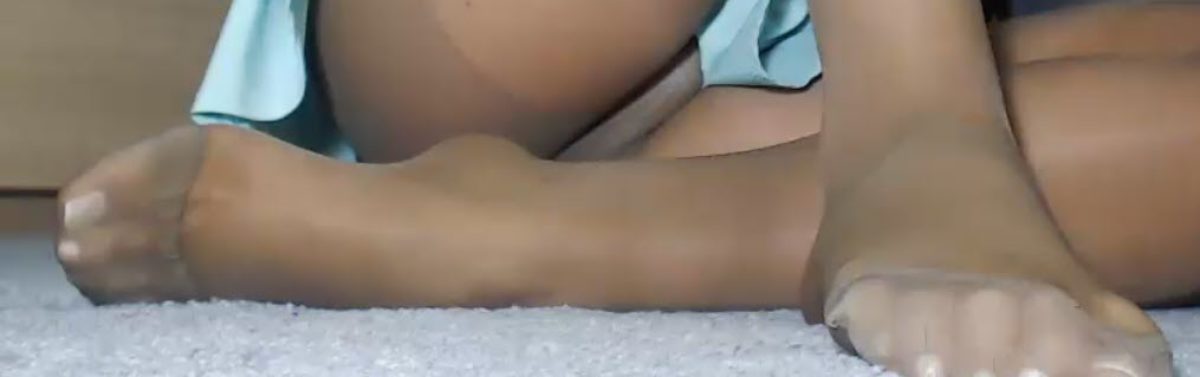
Few fabrics have had the cultural impact of nylon. Since its introduction in the late 1930s, nylon has transformed fashion, influenced manufacturing, and become one of the most recognizable synthetic materials in the world. For most people, it is simply another fabric used in clothing. For others, however, nylon holds a unique visual and tactile appeal that has made it one of the more widely recognized fabric-based fetishes.
Unlike attractions that focus primarily on a particular body part, a nylon fetish centers largely on the material itself. The smooth texture, subtle shine, stretch, and distinctive feel of nylon combine to create an experience that some individuals find particularly compelling. While it is often associated with hosiery, nylon attraction can also extend to many other garments and accessories made from the same material.
Researchers generally agree that there is no single explanation for why some people develop this preference. Instead, it appears to result from a combination of sensory processing, early experiences, cultural influences, and learned associations that gradually strengthen over time.
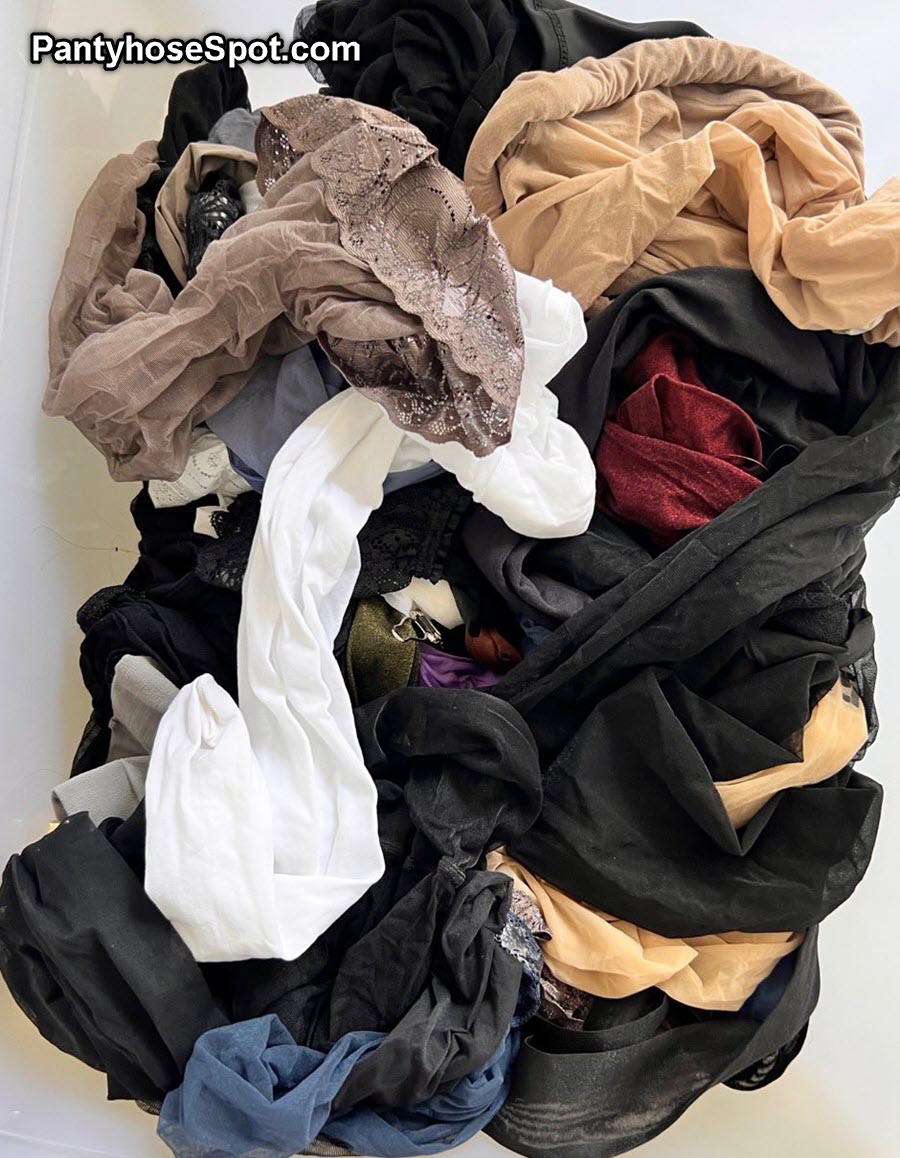
The History of Nylon and How It Became a Fashion Icon
Nylon was introduced by DuPont in 1938 as the world’s first commercially successful fully synthetic fiber. At the time, it represented a remarkable technological achievement. Unlike silk, which was expensive and often imported, nylon could be produced on a large scale while offering durability, flexibility, and a smooth finish. Consumers quickly embraced the new material because it looked elegant while being more practical for everyday wear.
The introduction of nylon stockings in the early 1940s created an immediate sensation. Department stores frequently sold out within hours, and long lines formed whenever new shipments arrived. For many women, nylon stockings represented modern fashion and sophistication. Advertisements of the era emphasized their smooth appearance, durability, and ability to complement a wide range of clothing styles.
During World War II, however, civilian production of nylon was dramatically reduced because the material was needed for military equipment such as parachutes, ropes, and other essential supplies. As stockings became difficult to obtain, they became even more desirable. Some women carefully repaired damaged stockings rather than replacing them, while others even drew seams on their legs with makeup to imitate the appearance of wearing hosiery. This unusual period in history elevated nylon beyond a simple fabric and turned it into a symbol of style and scarcity.
When wartime restrictions ended, nylon returned to stores and once again became a staple of everyday fashion. For several decades, it remained one of the defining materials of women’s apparel, helping shape fashion trends around the world.
What Makes Nylon Different From Other Fabrics?
One reason nylon receives so much attention is that it provides a sensory experience unlike many natural fibers. Cotton, wool, and linen all have their own textures, but nylon offers a distinctive combination of smoothness, elasticity, and light reflection that many people immediately recognize.
The visual appearance is often the first thing people notice. Depending on the weave and finish, nylon can produce a soft sheen that changes subtly under different lighting conditions. Rather than appearing completely matte, the fabric reflects light in a way that creates depth and highlights contours. Designers have long used this quality to enhance the appearance of garments without making them appear overly glossy.
Texture is equally important. Nylon generally feels cool when first touched and then gradually warms to body temperature. Its smooth surface glides differently than cotton or wool, creating a tactile sensation that some people find especially appealing. Because the fabric stretches and conforms to movement, it also creates a unique interaction between clothing and the body that differs from more rigid materials.
Another characteristic often mentioned is durability. Nylon resists wear better than many natural fibers while remaining lightweight. These practical qualities helped make it one of the most successful synthetic textiles ever produced, contributing to its widespread presence in fashion for decades.
The Psychology Behind Nylon Attraction
From a psychological perspective, nylon attraction illustrates how the brain can associate specific sensory experiences with positive emotions. Human attraction is rarely based on appearance alone. Instead, it often combines visual impressions, touch, memory, and emotion into a single experience.
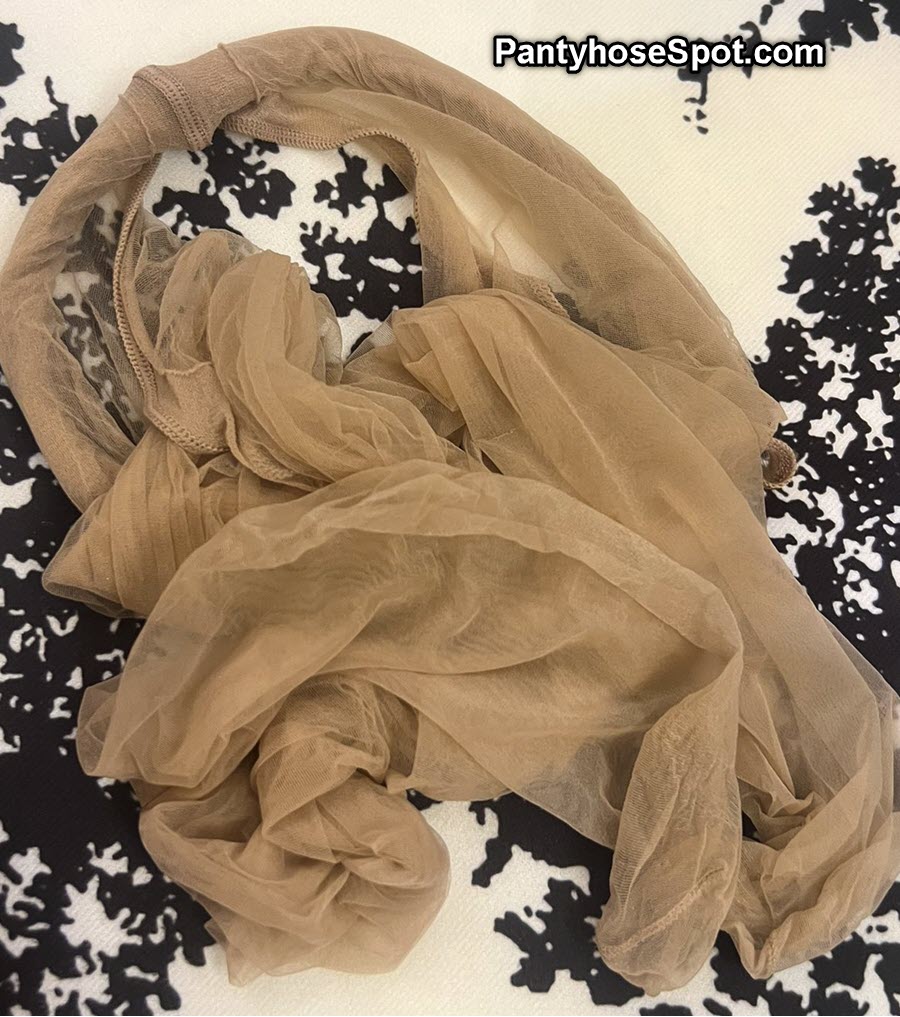
For some individuals, the appeal begins with the fabric’s visual qualities. The subtle shine, smooth appearance, and the way nylon moves with the body create a distinctive aesthetic that stands apart from other materials. Over time, repeated positive experiences involving similar visual cues can strengthen those associations.
Touch also plays a significant role. The brain processes tactile information through specialized sensory pathways, and different textures can produce different emotional responses. Just as some people strongly prefer certain types of blankets, clothing, or upholstery because of how they feel, others may develop a particular appreciation for nylon’s unique texture.
Researchers often describe this process as associative learning. When a specific sensory experience repeatedly occurs alongside positive emotions, the brain gradually links the two together. Those connections become stronger with repetition, eventually forming part of an individual’s long-term attraction patterns.
How Does a Nylon Fetish Develop?
Most psychologists believe that many fetishes begin developing during adolescence, a period when the brain is rapidly forming patterns related to attraction and relationships. During these years, emotional experiences often become strongly connected to visual or sensory details that happen to be present at the time.
In the case of nylon, repeated exposure may gradually reinforce an existing interest. For example, someone who consistently associates nylon clothing with elegance, confidence, or admired public figures may begin developing stronger preferences for the material itself. These associations usually form naturally rather than through any conscious decision.

Media and popular culture have also contributed to nylon’s visibility over the years. Fashion magazines, television, movies, and advertising have frequently used nylon garments because of their polished appearance on camera. Decades of exposure to these images may help reinforce positive impressions for some individuals.
It is important to note that there is no universal developmental pathway. Some people recall very specific memories connected to their interest, while others simply recognize that they have appreciated the fabric for as long as they can remember.
Common Misconceptions About Nylon Fetishes
One common misconception is that nylon attraction is identical to a hosiery fetish. Although the two often overlap, they are not exactly the same. A hosiery fetish typically focuses on a particular type of garment, while a nylon fetish centers on the characteristics of the material itself. Because nylon is used in many different products, the attraction may extend well beyond stockings or tights.
Another misunderstanding is that fabric-based fetishes are unusual or extremely rare. In reality, psychologists have documented sensory-based attractions for many decades. Human beings naturally respond to texture, color, sound, and touch, so it is not surprising that some individuals develop stronger preferences for particular materials than others.
There is also a tendency to assume that these interests dominate a person’s relationships. Research suggests otherwise. Most individuals who identify with a nylon fetish continue to value emotional compatibility, personality, trust, and communication in relationships. Their appreciation for nylon is simply one aspect of a much broader pattern of attraction.
Interesting Facts About Nylon
Nylon remains one of the most widely produced synthetic fibers in the world, and it is used in far more than clothing. Everything from backpacks and ropes to sporting equipment, luggage, automotive components, and outdoor gear relies on nylon because of its combination of strength and flexibility.
Collectors and fashion enthusiasts sometimes seek out vintage nylon garments because earlier manufacturing techniques produced fabrics with slightly different textures and finishes than many modern blends. As textile technology evolved, manufacturers introduced new combinations of nylon with materials such as spandex and microfiber to improve comfort and durability.
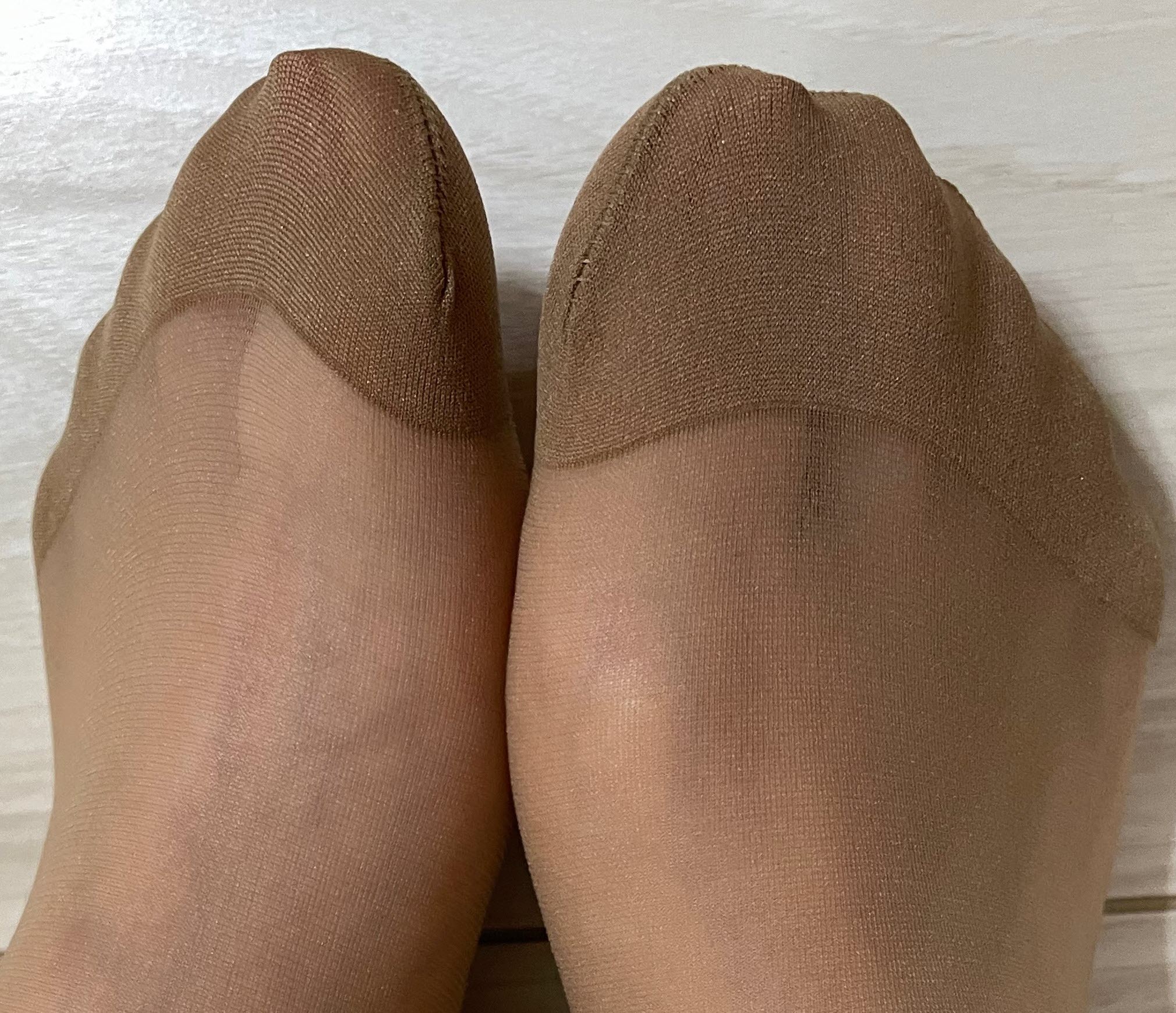
Online communities dedicated to fashion history often discuss how nylon changed clothing design throughout the twentieth century. Many credit the material with making stylish garments more affordable and accessible while helping define several decades of fashion trends.
Who Experiences a Nylon Fetish?
Published research suggests that fabric-based fetishes, including nylon attraction, are reported more frequently by men than women, although people of every gender have described similar interests. The attraction appears across many cultures and age groups, demonstrating that it is not limited to any one region or background.
Mental health professionals generally consider nylon fetishes to be part of the normal range of human sexual diversity when they involve consenting adults and do not cause distress or interfere with everyday life. For most people who experience this attraction, it simply represents one of many preferences that contribute to what they find aesthetically pleasing.
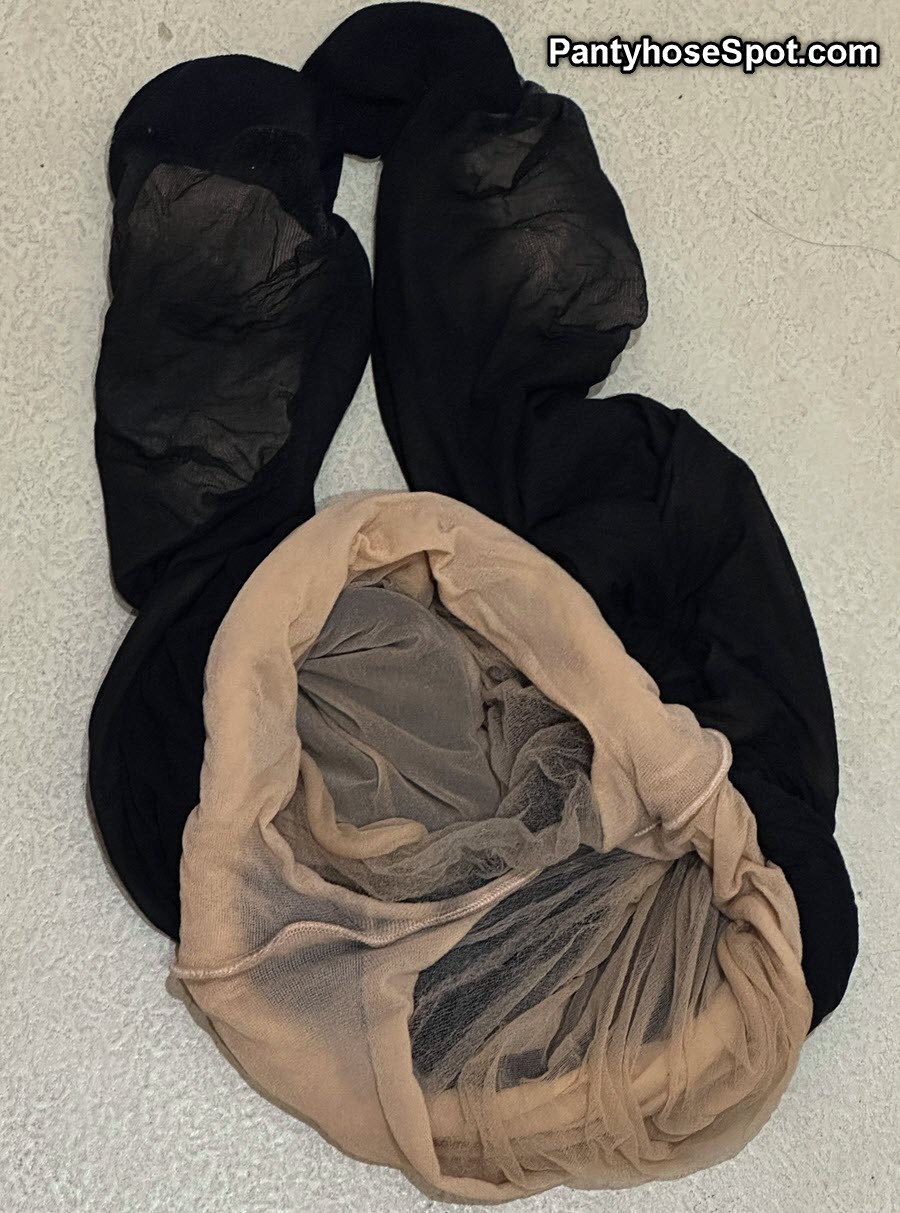
As researchers continue to study human attraction, nylon remains an interesting example of how our brains combine history, culture, sensory experiences, and personal memories into unique patterns of preference. Although there is still much to learn, one thing is clear: attraction is remarkably diverse, and fabric-based interests provide another fascinating window into the complexity of human psychology.